


Bitsight-style outside-in ratings
Perimeter Ratings
Only see "outside-in" public data. They miss internal software dependencies entirely.
VeriChain maps the supplier chains behind each vendor, surfacing restricted-party, export-control, and concentration risk before approval, renewal, or audit.
The hidden chain
Approval is only the visible layer.
The real exposure sits behind it: data movement, downstream dependencies, and obligations that travel across borders.

Why VeriChain?
While existing tools focus heavily on isolated external ratings or technical code scans, enterprise platforms routinely fail to connect those technical risks directly to compliance decisions and board-level reporting. That is exactly what we do.
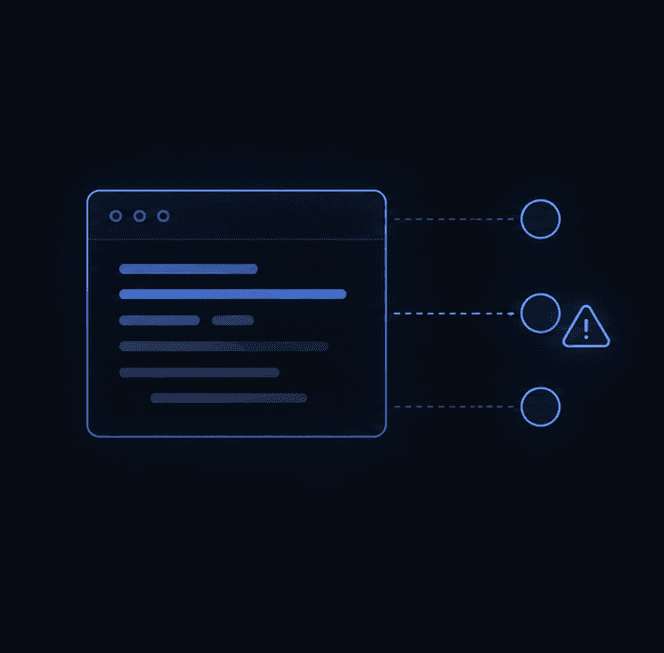
Bitsight-style outside-in ratings
Only see "outside-in" public data. They miss internal software dependencies entirely.
Snyk-style developer scanning
Only see line-by-line code for developers. They are disconnected from boardroom strategy and compliance.
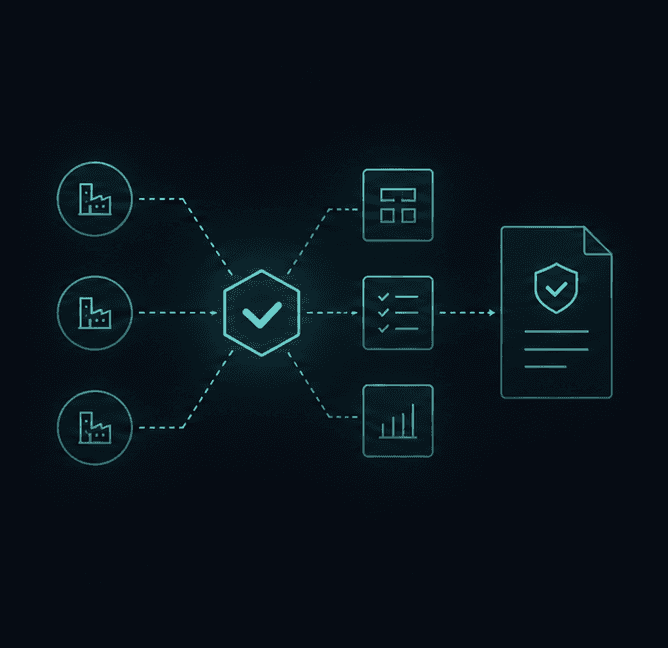
Technical dependency intelligence for governance
We map deep-tech data dependencies and translate them into automated risk workflows and audit-ready governance reports.
01
Evidence, systems, and owners in one record.

02
Data routes, cloud regions, APIs, and AI services.
03
Changes, renewals, and unresolved issues stay visible.

01
Evidence is already stale.

02
Routes are already live.
03
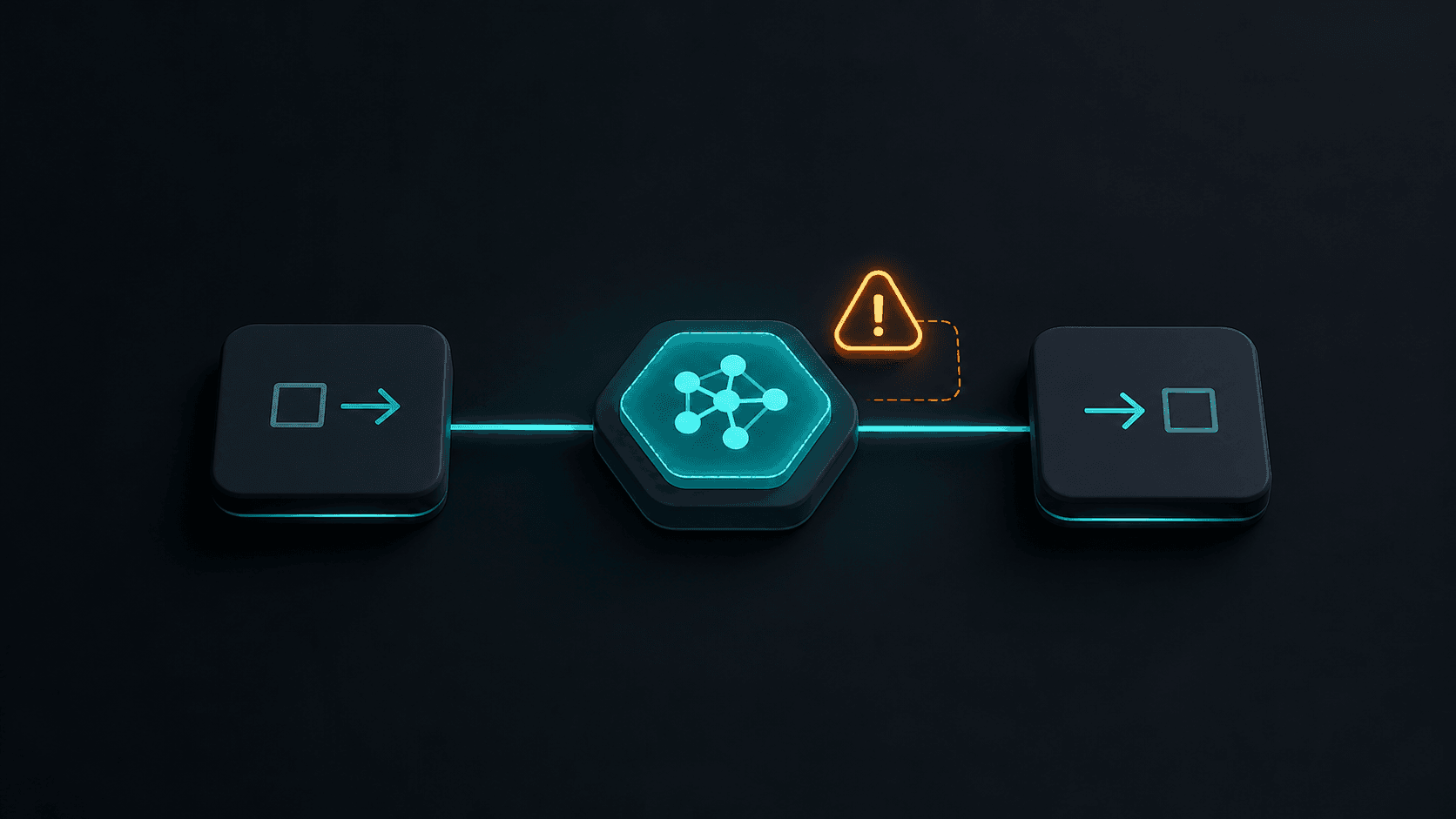
Boundaries are still unclear.
Leadership & advisory

Founder & Lead Technology Architect
Information engineering specialist and platform builder behind VeriChain's automated vendor risk workflows, with research focused on software supply chain vulnerabilities.
Focus Information Infrastructure Architecture / Software supply chain integrity

Founding Advisor & Strategic Risk Principal
Corporate governance and risk leader with Group CRO and DPO experience across the Hong Kong and regional technology enterprise sectors.
Focus Cybersecurity risk posture / Enterprise risk strategy / Privacy and compliance governance
VeriChain Labs Limited
Scope the supplier set, evidence model, and cross-border risk signals before expanding the assurance map.
Governance questions
VeriChain starts from the vendor relationship and builds a structured view of relevant technology dependencies, data routes, infrastructure links, and downstream suppliers.
Teams can organize SBOMs, security certificates, contractual clauses, vendor attestations, data governance records, and review decisions into one auditable history.
Technology vendors can introduce restricted-party exposure, export control questions, data residency concerns, and jurisdictional dependencies that are not visible from the contract alone.
Cyber and AI are treated as risk vectors inside the vendor perimeter: external APIs, AI services, technology dependencies, and data pipelines are reviewed through the same supplier governance model.
A reviewable evidence record that helps explain which vendors matter, what risks were found, what remains unresolved, and where action is needed.